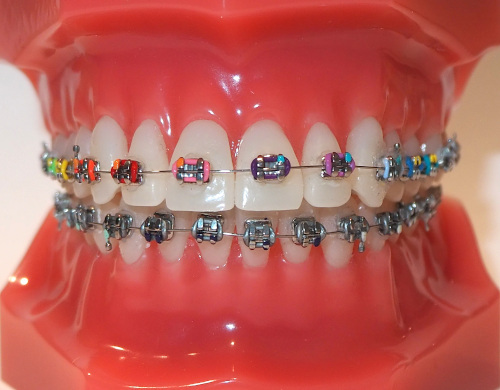
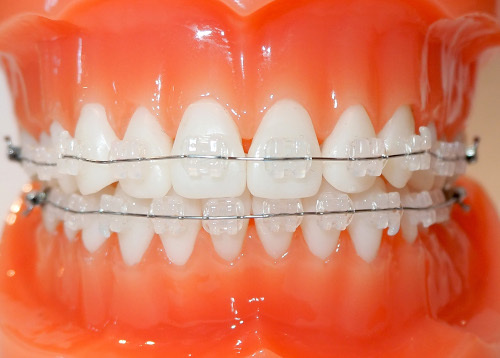
Braces are a common and well established orthodontic appliance to straighten crooked teeth and correct bite discrepancies. Orthodontic braces can be for cosmetic purposes only, such as improving a smile, or a combination of cosmetic and functional correction, such as aligning teeth and correcting an increased overjet, a deep bite, or a crossbite.
Braces consist of small brackets bonded to each tooth. Running through the brackets is an arch wire which comes in different thicknesses, materials and shapes, and it gradually straightens the teeth over the course of time.
Orthodontics Perth provides a range of high-quality braces, white ceramic and traditional metal braces; braces can be combined with a variety of appliances (expander, bite jumper...) to correct more severe discrepancies.
Some general information can be found at Orthodontics Australia.
Braces vs Aligners
Braces are generally more effective for complex cases and are often more affordable, while aligners offer a more discreet and convenient option, especially for mild to moderate misalignments. Choosing between them depends on individual needs, preferences, and the severity of the orthodontic issues.
Braces:
Pros:
Effectiveness for Complex Cases: Braces are often more effective at correcting severe misalignments and bite issues.
Cost-Effective: Generally, braces are a more budget-friendly option compared to aligners.
Fixed: Once applied, braces are fixed to the teeth, ensuring consistent treatment and reducing the risk of forgetting to wear them.
Reliable: Braces have a long history of successful teeth straightening.
Cons:
Visibility:
Traditional metal braces are noticeable and can be a concern for some individuals.
Oral Hygiene:
Brushing and flossing can be more challenging with braces, potentially leading to plaque buildup and cavities if not meticulously maintained.
Dietary Restrictions:
Certain foods, like sticky or hard foods, need to be avoided to prevent damage to the braces.
Discomfort:
Some patients experience discomfort or irritation from the brackets and wires, especially during adjustments.
Aligners:
Pros:
Discreet Appearance: Clear aligners are virtually invisible, making them a more aesthetic option.
Removable: Aligners can be removed for eating, drinking, brushing, and flossing, promoting better oral hygiene.
Comfort: They tend to cause less irritation to the mouth compared to braces.
Convenience: Fewer appointments are typically needed with aligners compared to braces.
Potential for Faster Treatment: Some individuals may experience faster treatment times with aligners, but this can vary.
Cons:
Effectiveness for Complex Cases: Aligners may not be as effective for severe misalignments or bite problems.
Discipline Required: Consistent wear (usually 20-22 hours per day) is crucial for effective treatment, and some patients may struggle with compliance.
Potential for Discoloration or Staining: Aligners can become discolored or stained if not properly cared for.
Cost: Aligners are generally more expensive than traditional braces.
Risk of Loss or Damage: Aligners can be easily misplaced or lost, potentially delaying treatment.
In conclusion: Both braces and aligners offer effective solutions for teeth straightening. The best choice depends on individual needs, including the severity of the orthodontic issues and lifestyle. A consultation with an orthodontist is recommended to determine the most suitable treatment option for each individual.